6 min read
Everyday Habits That Protect Your Heart
Heart health is shaped less by occasional big efforts and more by the ordinary things you do every single day.
 B2B Portal
Supplements can genuinely help — or quietly work against you. A few sensible rules keep them useful and safe.
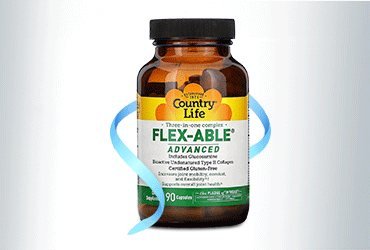
Vitamins, minerals and other supplements fill a large and growing shelf, and used thoughtfully they can support real gaps in nutrition. Used carelessly, they can interact with medication, duplicate each other or simply waste money. A little structure makes all the difference.
The best supplement routine begins with a specific need — a confirmed deficiency, a life stage such as pregnancy, or a diet that genuinely lacks something. Taking a product "just in case" is rarely the most effective use of it. Where possible, let a blood test or a professional guide the choice.
More is not better. Fat-soluble vitamins such as A, D, E and K are stored in the body and can accumulate to harmful levels if overdone. Even water-soluble vitamins can cause problems at very high intakes. Stick to recommended amounts unless a professional advises otherwise.
Supplements are active compounds and can affect how medicines work:
Always tell your pharmacist and doctor everything you take, including "natural" products.
Choose reputable brands, check expiry dates and store products as directed. Timing can improve results too — fat-soluble vitamins are absorbed better with food, while some minerals are best spaced apart from others.
If you are pregnant, breastfeeding, managing a chronic condition or taking regular medication, check with a professional before adding anything new.
No pill substitutes for a balanced diet, sleep and movement. Think of supplements as a targeted top-up for genuine gaps, chosen deliberately and reviewed from time to time — not a shortcut around the basics.