5 min read
Vitamin D Deficiency in a Sunny Climate: Why It's So Common
It seems paradoxical that vitamin D deficiency is widespread in some of the sunniest places on earth. The reasons are surprisingly practical.
 B2B Portal
Diabetes management is built on small, consistent choices. Here is how to keep blood sugar steady through meals, movement and monitoring.
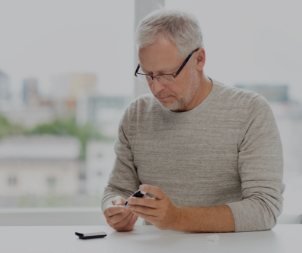
Living well with diabetes is less about a single dramatic change and more about a series of small, repeatable habits. Blood sugar responds to what you eat, how you move, how well you sleep and how consistently you take your medication. When those pieces line up, most people find their numbers become far more predictable.
Before you can steady your blood sugar, you need to know what "steady" looks like for you. Targets differ from person to person, so treat the following as general reference points and confirm your own with your doctor:
Keeping a simple log — on paper or in an app — turns scattered readings into a pattern you can actually act on.
You do not need a restrictive diet so much as a reliable structure. A useful mental model is to divide your plate into three parts:
Pairing carbohydrates with protein, fibre or healthy fat slows how quickly glucose enters the bloodstream, which helps flatten the spikes that follow a meal.
Physical activity makes your cells more responsive to insulin, and the effect can last for hours. You do not need a gym: a brisk fifteen-minute walk after your largest meal is one of the most effective and underrated tools for blunting a post-meal rise. Consistency beats intensity.
Monitoring is only useful if it changes something. When a reading is higher than expected, look back at the preceding hours — the meal, the portion, stress, a missed dose or poor sleep are the usual culprits. Over time you build a personal map of what your body reacts to.
Targets, medication and monitoring frequency should always be personalised with your doctor or pharmacist. This article is general information, not medical advice.
Reach out to a healthcare professional promptly if you notice persistent high or low readings, symptoms such as excessive thirst, blurred vision or confusion, or if illness is making your glucose hard to control. Managing the day-to-day well is what keeps the serious complications rare.